Lost Cat, Found God: Inside the Gloriously Chaotic Village Noticeboard
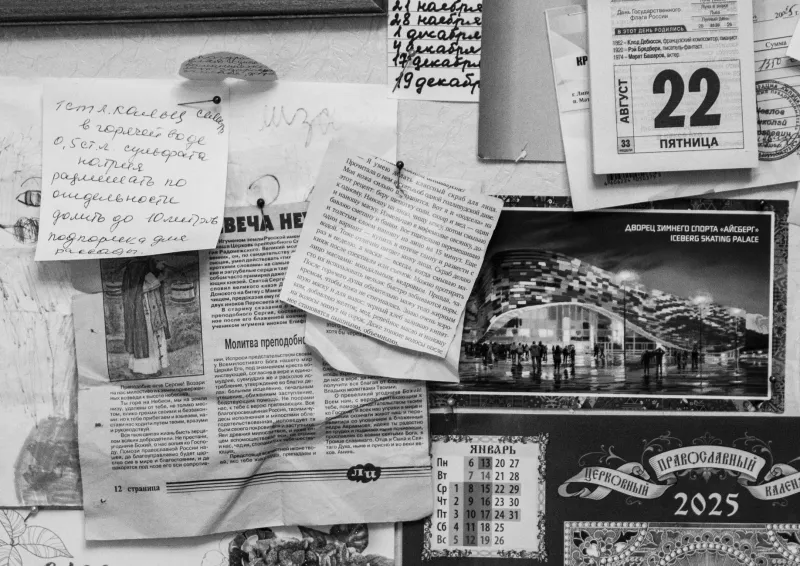
There is a particular sound a village noticeboard makes in the wind: a dry, papery flutter, like an aunt clearing her throat before saying something pointed. Follow it and you will find the most reliably entertaining piece of street furniture in Britain. Not a statue. Not a blue plaque. A sheet of cork behind glass, operating at the absolute limit of its structural capacity.
No one designs a noticeboard. They accrete. A poster goes up for the summer fete, then a card for a lost tabby, then a laminated warning about dog fouling, then something about a Wednesday choir that appears to have been photocopied from a photocopy of a photocopy until the lettering has the soft grey blur of a memory. Eighteen months later the whole thing is a stratigraphy of village life, and you can read it like a geologist reads a cliff face.
Cork, Glass and the National Character
Consider what the noticeboard actually is: an unmoderated public forum, roughly one foot by two, with no algorithm, no comment section, and no way of knowing who pinned what. It is the internet, if the internet were damp and smelled faintly of the Co-op doorway.
And yet it works. Because unlike the internet, the noticeboard has a physical gatekeeper — a person with a key and a strong opinion about staples — and a set of unwritten rules enforced by sheer village disapproval. Turn up on a Sunday with a fistful of flyers for your crystal healing workshop and you will be permitted, but you will be placed below the church notices. That is not a punishment. That is a ranking system older than Parliament.
A Field Guide to the Species
Spend a year photographing boards across the country and patterns emerge. Our working taxonomy, refined over many a wet afternoon:
The Passive-Aggressive Parking Board. One A4 sheet, one sentence, escalating typeface. Please do not block the gate. Then, a fortnight later, PLEASE do not block the gate. Then a third, in bold, with a photograph of your actual car. The board becomes a slow-motion argument conducted in stationery.
The Parish Pump. Newsletter, church times, bin collection changes and a hand-drawn map to a plant sale. Unfailingly useful, entirely unglamorous, quietly holding the place together.
The Holistic Outlier. Guerrilla yoga in a scout hut. Reiki taster evening. A six-week course on dream journaling that started in March and has never been taken down. These flyers are always on lilac paper and always slightly curling at the corner.
The Memorial Corner. A photograph, a poem, a small ribbon. Nothing to do with events at all. It simply lives there, and nobody would dream of moving it, and that is the whole point.
The Fossil. A notice for a quiz night in a pub that closed in 2021. Nobody removes it. It has become heritage.
The People With the Key
Every board has a warden, and every warden has a philosophy. We spoke to a retired postal worker in her seventies who has kept her village board for eleven years and asked, with some dignity, to be referred to only as The Keeper of the Pins.
“There's a system,” she told us. “Church top left. Anything to do with children in the middle where they can see it. Lost animals go at eye height, because you want people to stop, don't you. And the bottom right is where things go to die.”
Pressed on whether she had ever refused a notice, she paused for a duration that suggested a rich internal archive. “I've never refused anyone,” she said. “But I have occasionally put things somewhere less prominent. It's a kindness. Some people need saving from their own font choices.”
The Rules of the Cork
Observed etiquette, gathered from boards nationwide:
- Pin, do not staple. Staples are the mark of the outsider.
- Never cover a lost pet. This is the closest thing the board has to a war crime.
- If you must overlap, overlap your own flyer you put up last week, in shame.
- Date your notice. If you don't, someone will, in biro, with an air of quiet judgement.
- The laminated ones outlive us all. Respect them.
Why the Chaos Is Worth Defending
We are told constantly that local communities are fragmenting, that nobody knows their neighbours, that public life has retreated behind screens. Then you walk past a board in a bus shelter and read that Sandra has lost a cat called Buster, that the bell-ringers need recruits, and that a man named Keith will be selling surplus rhubarb from a wheelbarrow on Sunday, weather permitting.
That is not chaos. That is a village talking to itself, out loud, in public, with the occasional spelling mistake.
So next time you pass one — and you will, today, probably within walking distance — stop. Read it properly. Somewhere on that cork there is a passive-aggressive parking notice with your name on it, and a yoga class you will never attend, and a photograph of a cat that has been missing since 2019 and is almost certainly fine.
Go on. Take a photo. It'll be different by Friday.